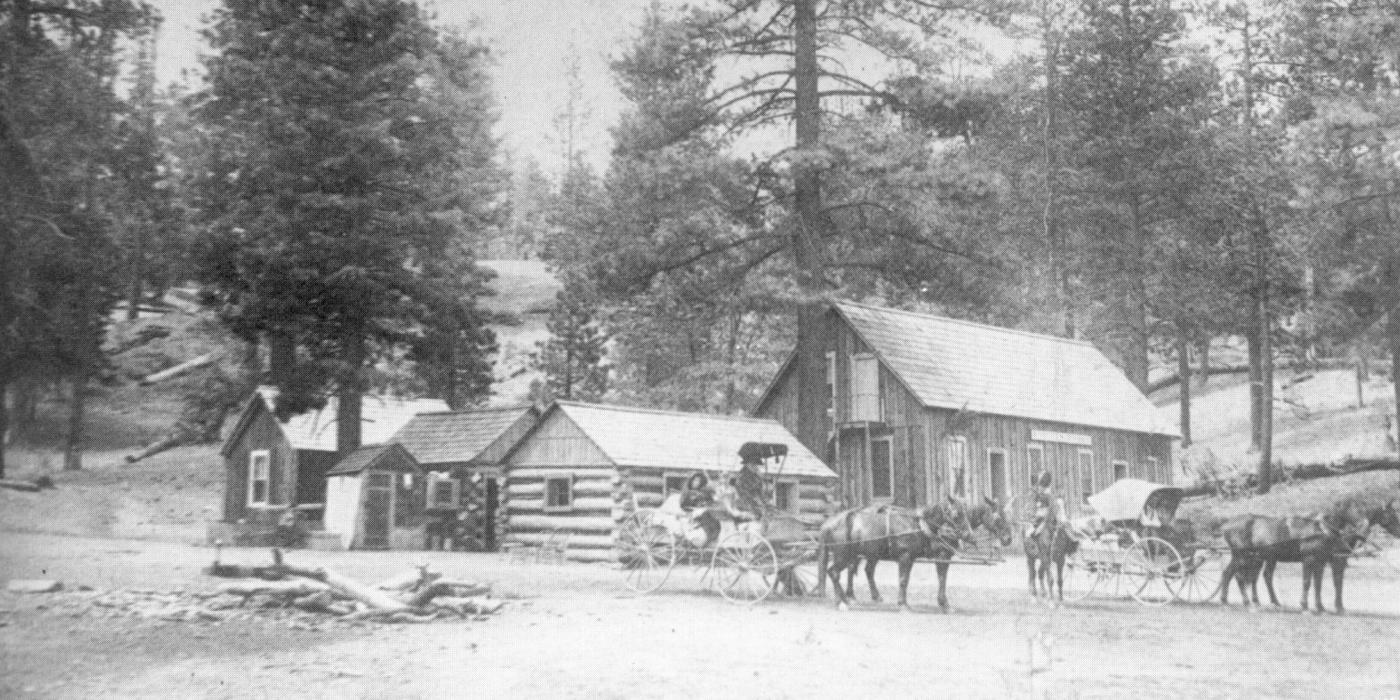
Big Bear's Wild West
Discover Big Bear's rich, golden history and become an expert on our Wild Western beginnings.
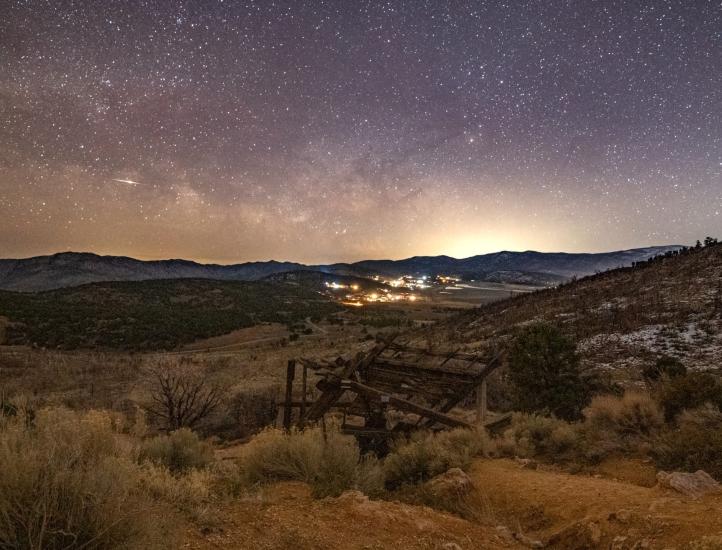
A Groundbreaking Discovery
In the 1860s, William Francis Holcomb along with Jack Martin would begin their travels from San Bernardino to the Bear Valley Area in search of Gold.
Previous prospectors at that point were well aware of the harsh conditions ranging from tough winters, deep snow, and challenging terrain often creating a struggle just to reach worthwhile digging spots.
These immense challenges combined with an apparent lack of gold, would soon give Bear Valley another name known by prospectors as "Starvation Flatts."
However, Big Bear would soon see it's golden days when Holcomb and Ben Ware struck gold on May 4th, 1860!
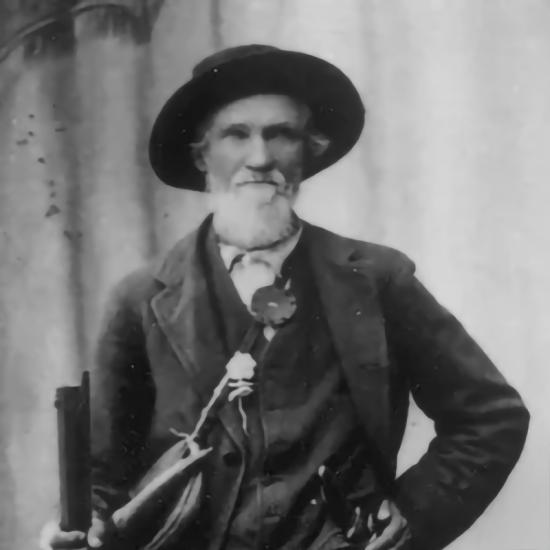
Did you know?
William Francis Holcomb was originally born in Tippecanoe County, Indiana, on January 27th, 1831.
Upon hearing the tales of the California Gold Rush, Holcomb would begin making his way to California in the 1850s at the age of 18 to 19 years old.
Following his prospecting endeavors in Sierra Nevada, Oregon, and Northern California - he would arrive at the recently named "Big Bear Valley" in 1859.
Later on, he would also earn the nickname of "Grizzly Bill" from other prospectors due to his skill in hunting Grizzly Bears for meat to feed the starving gold miners.
Start Of Big Bear's Gold Rush
On the day of May 5th, 2026 - William Francis Holcomb and Ben Ware recorded five gold claims at the County Recorder.
That very same spring, Jack Martin would head back down to San Bernardino where he would purchase flour using gold dust gathered with the help of other Bear Valley prospectors.
While probably not known to Jack at the time - this marked the beginning of the gold rush as prospectors would start arriving in the Bear Valley area in hopes to strike it rich.
Around July of the same year, a short-term settlement called Belleville was founded - this small town boasted a population of roughly 10,000 which at the time made Belleville one of the largest towns in Southern California.

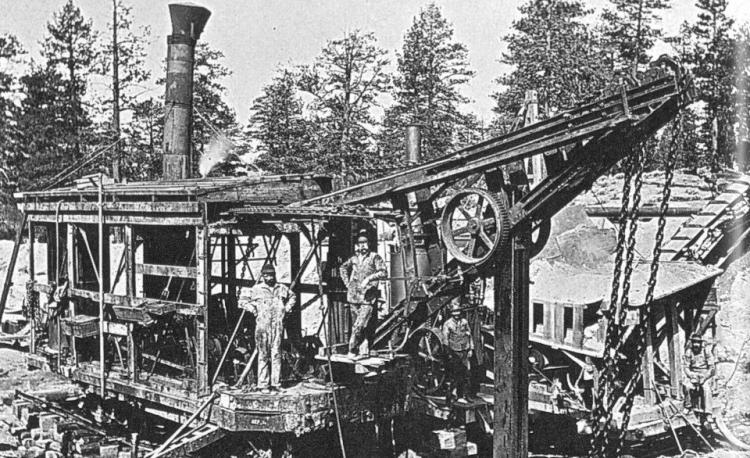
After extensive prospecting by eager crop gold miners, most of the Valley's surface gold was depleted - leaving deposits inaccessible without industrial machinery or deeper excavation.
Following this realization, lone prospecting and Big Bear Valley's major Gold Rush days started to gradually fade out.
However, smaller gold rush operations still continued through-out the Valley, largely consisting of the usage of a 40 Stamp Mill constructed by Elias J "Lucky" Baldwin - his machine was able to process gold-quartz using 40 heavy iron stamps.
Burro-print Of The Wild West
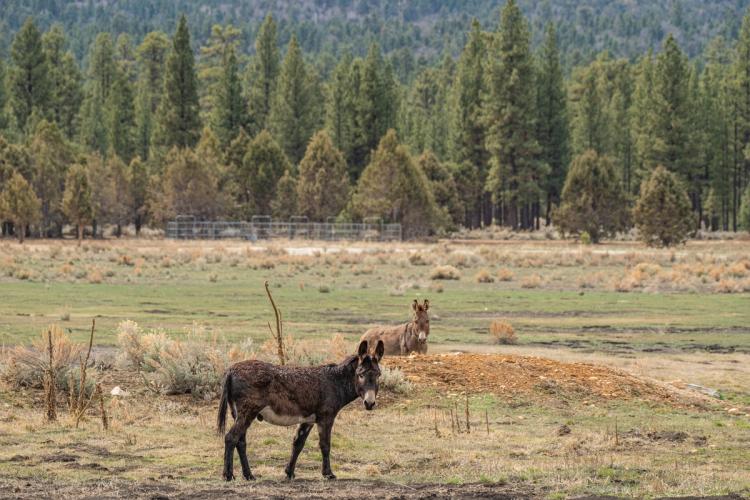
Now seen as a reminder of Big Bear's Wild West and Gold Rush days - the wild Burro population, originally introduced in the 1940s, has continued to thrive and wander through-out the Big Bear mountain area.
While less widely known, these adorable residents were initially brought by gold miners, fox farms, ranches, and even for usage in movie sets.
In the modern era, there is estimated to be approximately 60 to 200 wild burros currently living within the Big Bear Valley.
Big Bear Lake's Dam
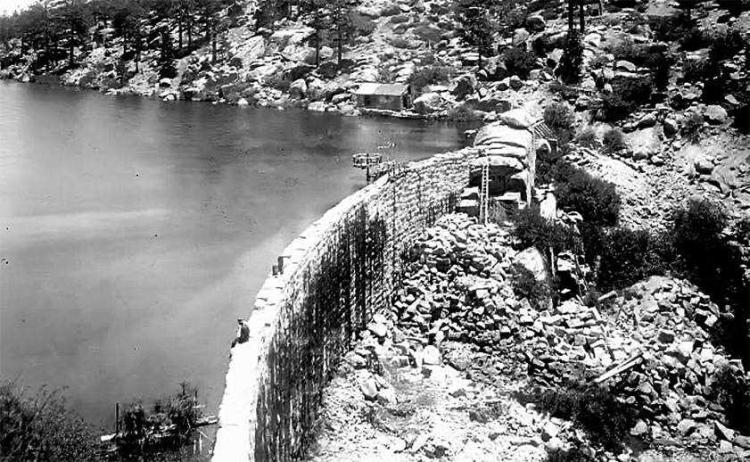
Originally Big Bear's Lake started as a heavily forested valley with a small marsh lake in the center.
However, this would change in 1884 with the help of Frank Elwood Brown, a farmer who needed water to irrigate his crop fields down in San Bernardino.
Frank would come to complete, what was considered at the time, to be the world's largest man-made lake in the world - laying the foundation for Big Bear Lake and it's future.
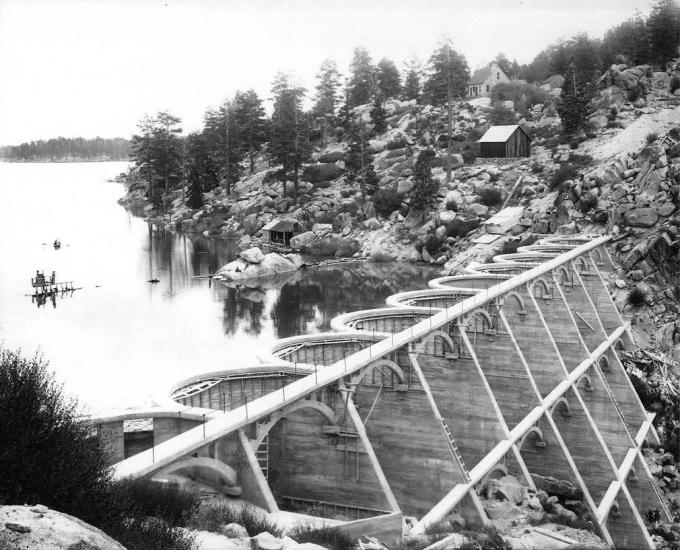
In the 1910s however, a new construction effort led by John Eastwood had officially begun to replace the old rock dam.
The new dam was a stunning multi-arch wall design that stood 20 feet higher compared to its predecessor.
John's construction effort completed in 1912, doubled the size of Big Bear Lake - his multi-arch dam is the current dam seen in Big Bear today.
Fun Fact: When lake waters reach a certain low during dry summers or late winter months - the old rock dam can sometimes be seen peaking out from beneath the water.
Rich History Made Here
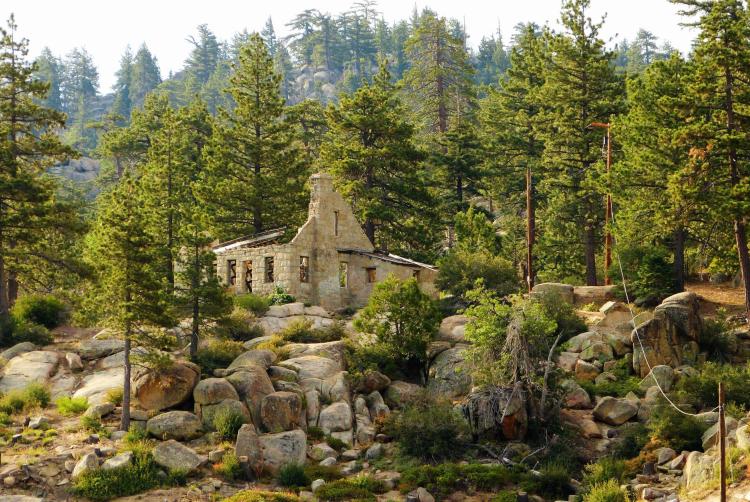
Following the purchase of Big Bear's Dam by the Municipal Water District in 1977 - the need for a resident dam keeper came to an end.
As of then, the lake was no longer drained and remains free for all visitors to enjoy.
Please Note: While many of these monuments are now a window into Big Bear's exciting past - it's important that we remember to respect and observe these wonders from a distance so that their place in the Big Bear's story is known year after year.
Your Story, Made In Big Bear
Though Big Bear's storybook continues to increase in it's pages, every memory made here stays a part of its story and is told for generations to come.
Start your new adventure, become a part of Big Bear's story.